



Fun fact: our most viewed blog is the one entitled “Size Matters.”
Predictable, right? We’re not too proud, but that’s the internet for you.
And guess what else sells? Spontaneity.
Routine is boring. We need PLOT TWISTS. Every day. But unfortunately, when it comes to data, consistency is key.
So, here’s the deal: your first time with data won’t be a lot of fun. We’re 90.34534 percent sure about that.
The fun begins when you start seeing results. And the only way to see results is to go back to the beginning: data normalisation.
Table of Contents
Tips for a Smooth First Time
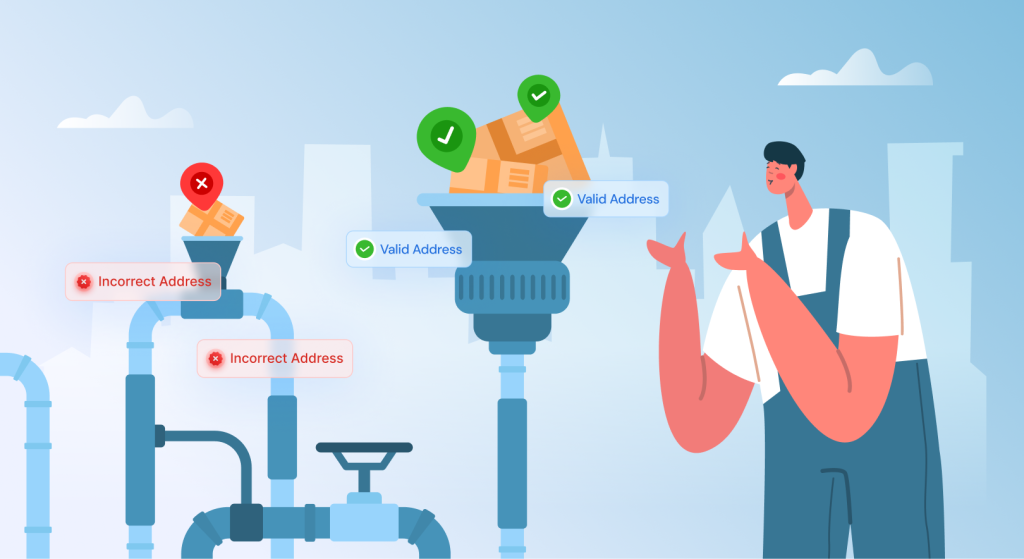
Normalisation makes data consistent across all records and fields. The direct benefit? Accurate, updated, duplicate-free, easy-to-navigate, and useful information for your business.
For first timers, cleaning up might seem enough. But why not go the extra mile? Use tools that comply with Australia Post’s standards. AMAS certified tools ensure you get the most accurate and recent address data.
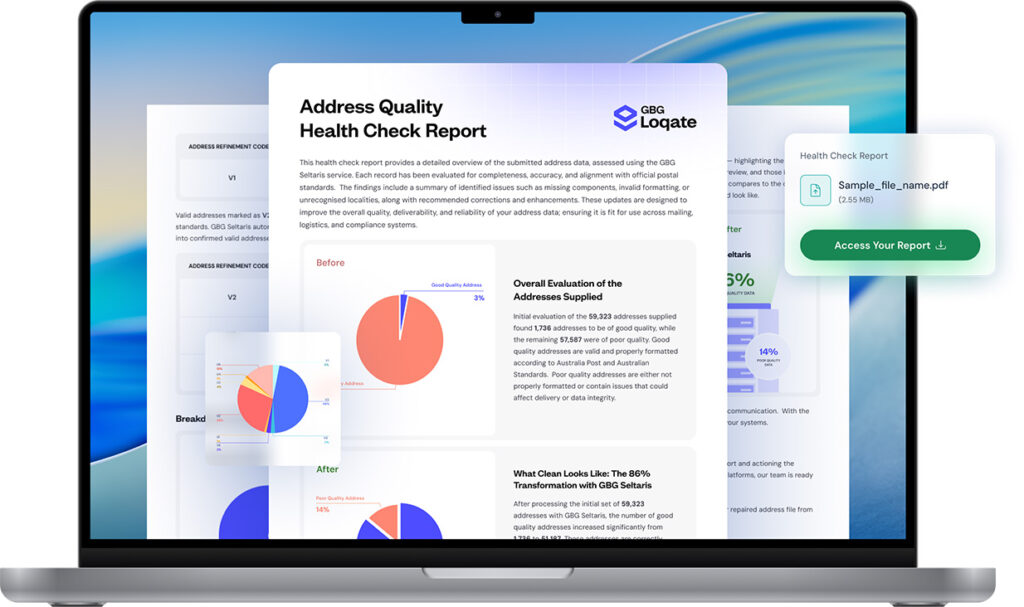
Compare your data against a data company’s master file to handle missing elements like unit numbers. This ensures your information is not only accurate but also recent.
Variety is the Spice of Life
Maintaining data accuracy involves looking at two things: the information you hold and when it was last checked. Periodically validating data against trusted sources is crucial and for most businesses, quarterly updates are a good rule of thumb.
Now, trust us when we say that more isn’t always merrier. Duplicates can make any slick operation look like a backyard hack. Imagine sending multiple discounts to the same prospect or overdue notices to a customer who’s already paid. Use a tool that removes duplicates with ease, especially across multiple data sets.
It’s Not Love at First Sight
Let’s hold off on those enthusiastic “I do’s”. The most important decisions are the ones you make for life – and those affecting your career. The more “relevant” your data is, the more useful it is to the business.
With accurate data, you can:
- Reference data for direct marketing campaigns
- Review historical trends
- Provide effective reporting
- Generate accurate counts for targeted campaigns
…and more. The list is endless!
In the world of data, consistency and accuracy are your best friends. The first steps might not be the most fun, but they’re crucial for seeing long-term results. By normalizing your data, ensuring compliance, and regularly validating your datasets, you’re setting yourself up for success.
Remember, while spontaneity and plot twists keep things interesting, the real magic happens when you see your efforts translate into clear, actionable insights. Whether you’re running a direct marketing campaign, analysing historical trends, or generating reports, the quality of your data will determine your success.
So, embrace the initial challenges of data normalization. The results will be worth it, and your business will thank you for the effort.